1596: "Vanessa Williams: The Crown That Came Back"
Interesting Things with JC #1596: "Vanessa Williams: The Crown That Came Back" - A crown made history, then disappeared just as fast. What followed was not a comeback moment, but years of rebuilding where personal discipline outlasted scandal and identity proved stronger than any title.
𝐂𝐮𝐫𝐫𝐢𝐜𝐮𝐥𝐮𝐦 - 𝐄𝐩𝐢𝐬𝐨𝐝𝐞 𝐀𝐧𝐜𝐡𝐨𝐫
𝐄𝐩𝐢𝐬𝐨𝐝𝐞 𝐓𝐢𝐭𝐥𝐞: Vanessa Williams: The Crown That Came Back
𝐄𝐩𝐢𝐬𝐨𝐝𝐞 𝐍𝐮𝐦𝐛𝐞𝐫: 1596
𝐇𝐨𝐬𝐭: JC
𝐀𝐮𝐝𝐢𝐞𝐧𝐜𝐞: Grades 9–12, college intro, homeschool, lifelong learners
𝐒𝐮𝐛𝐣𝐞𝐜𝐭 𝐀𝐫𝐞𝐚: U.S. history, media literacy, performing arts, biography, resilience studies
𝐋𝐞𝐬𝐬𝐨𝐧 𝐎𝐯𝐞𝐫𝐯𝐢𝐞𝐰
Students examine the life and career arc of Vanessa Williams through the lens of public achievement, media scrutiny, personal resilience, and long-term professional excellence. The episode traces her historic 1983 Miss America victory, the 1984 scandal that forced her resignation, and the decades of work that followed in music, Broadway, film, and television. Students will consider how public narratives are formed, how reputations can be damaged, and how discipline and craft can shape a lasting legacy.
𝐋𝐞𝐚𝐫𝐧𝐢𝐧𝐠 𝐎𝐛𝐣𝐞𝐜𝐭𝐢𝐯𝐞𝐬
Define the historical importance of Vanessa Williams becoming the first African American woman crowned Miss America.
Compare a public title or moment of fame with the longer process of building a durable career.
Analyze how media exposure and public judgment affected Vanessa Williams’s reputation and opportunities.
Explain how persistence, preparation, and professional skill contributed to her later success in music, television, and Broadway.
𝐊𝐞𝐲 𝐕𝐨𝐜𝐚𝐛𝐮𝐥𝐚𝐫𝐲
Trailblazer (TRAYL-blay-zer) — A person who is first to do something important and opens the way for others. Vanessa Williams was a trailblazer when she became the first African American Miss America.
Resign (ri-ZINE) — To formally give up a position, title, or office. She resigned before completing her Miss America year.
Reputation (rep-yuh-TAY-shun) — The way a person is viewed by others over time. The episode shows how quickly public reputation can change.
Discipline (DIS-uh-plin) — Consistent self-control and steady practice toward a goal. Her training and work habits are presented as the core of her comeback.
Momentum (moh-MEN-tum) — Forward progress or growing strength. The episode notes that the scandal disrupted her direction and momentum.
Certification (sur-tuh-fuh-KAY-shun) — Official recognition that a record or product reached a defined sales level. Her album The Right Stuff earned gold certification.
Legacy (LEG-uh-see) — What remains from a person’s life or work after a specific moment has passed. The episode argues that legacy is built over time, not by a single title.
𝐍𝐚𝐫𝐫𝐚𝐭𝐢𝐯𝐞 𝐂𝐨𝐫𝐞
𝐎𝐩𝐞𝐧
The story begins with a historic moment in Atlantic City on September 17, 1983, when Vanessa Williams becomes the first African American woman crowned Miss America.
𝐈𝐧𝐟𝐨
Listeners learn about her upbringing in Millwood, New York, her family’s musical background, her training, and the disciplined preparation behind her early success.
𝐃𝐞𝐭𝐚𝐢𝐥𝐬
The central turning point is the public release of unauthorized nude photographs in 1984, her resignation from Miss America, and the difficult rebuilding period that followed. The narrative then follows her later music, Broadway, film, and television achievements.
𝐑𝐞𝐟𝐥𝐞𝐜𝐭𝐢𝐨𝐧
The episode emphasizes that titles can be lost quickly, but real identity, craft, and long-term credibility are built slowly through discipline and persistence.
𝐂𝐥𝐨𝐬𝐢𝐧𝐠
These are interesting things, with JC.
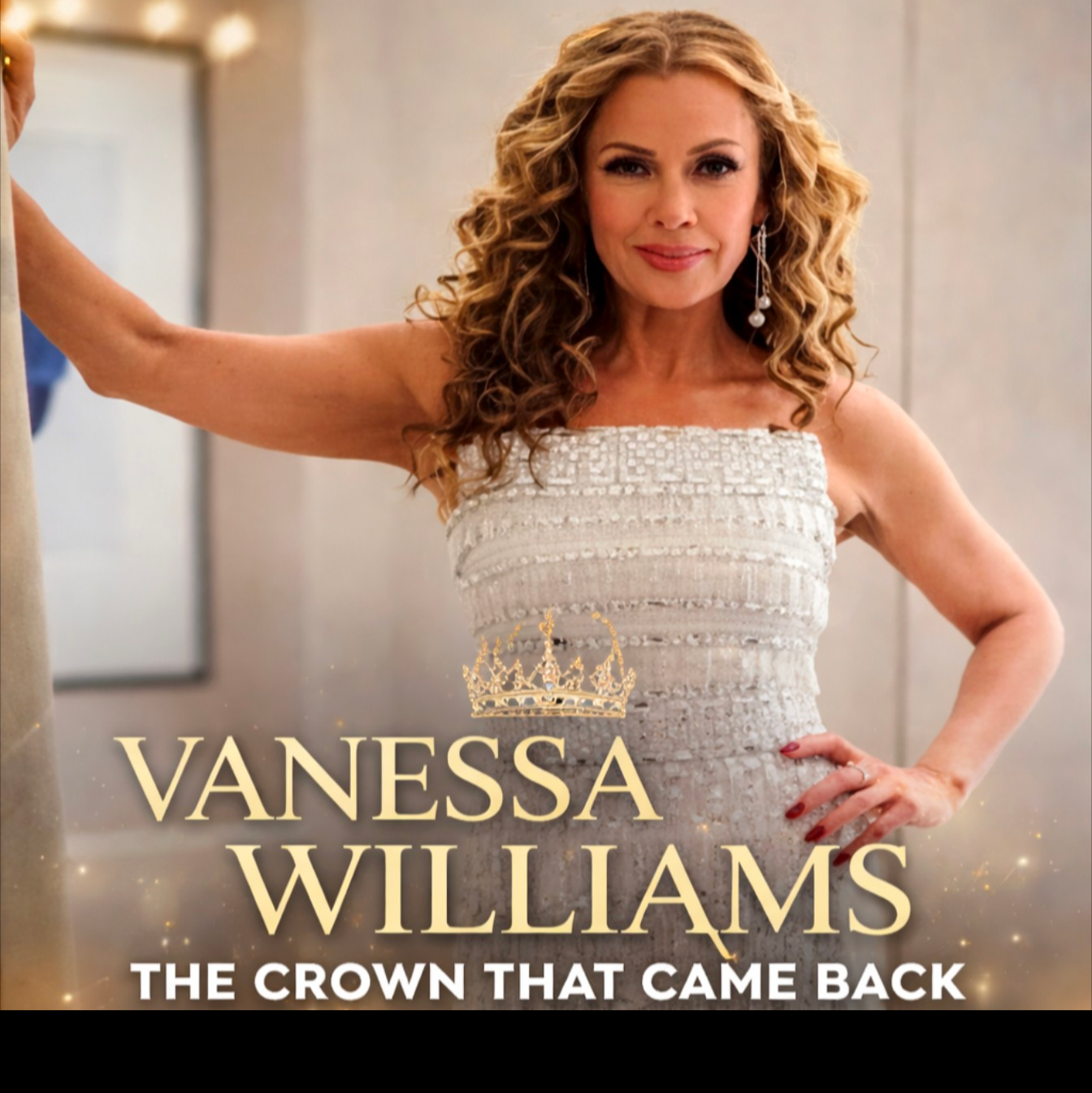
Promotional image of Vanessa Williams standing confidently in a bright, elegant interior, wearing a strapless silver beaded gown and long dangling earrings, with one arm extended and one hand on her hip. Large overlaid text reads “Vanessa Williams: The Crown That Came Back,” with a small gold crown above her name. This image is used here for educational commentary, analysis, and instructional purposes related to biography, media literacy, and cultural history. Its inclusion is intended to support teaching and learning under a fair use rationale, not for commercial redistribution.
𝐓𝐫𝐚𝐧𝐬𝐜𝐫𝐢𝐩𝐭
Interesting Things with JC #1596: "Vanessa Williams: The Crown That Came Back"
On September 17, 1983, a 20-year-old from Millwood, New York stood under the lights in Atlantic City, New Jersey, and made history. Vanessa Williams became the first African American woman crowned Miss America. She carried herself with control, trained in classical voice, and backed by years of discipline shaped inside a home where both parents were music educators.
By the time she entered Syracuse University in 1981, her days were structured with 4 to 6 hours of vocal training, rehearsals, and study. She built the foundation long before anyone outside her family knew her name. The crown in 1983 was the visible result of that work.
Then came July 23, 1984.
Nude photographs she had posed for years earlier, never authorized for publication, were released publicly. The reaction was immediate and national. Roughly 10 months into her reign as Miss America 1984, she resigned before completing what would have been a full year.
Years later, Vanessa Williams said, “I felt like I had been stripped of everything.” Not just the title, but direction and momentum.
The next phase was not smooth.
Record labels hesitated. Casting directors passed. She walked into rooms where people believed they already understood her. She kept going.
She took smaller gigs and regional performances, rebuilding her career step by step. In those early rebuilding years, she has spoken about taking whatever work was available, including demo recordings and smaller stage performances, just to stay active and keep her voice in shape. No national spotlight. No protection from a damaged reputation. Just repetition, discipline, and time.
In 1988, she released “The Right Stuff,” earning gold certification with over 500,000 copies sold. In 1992, “Save the Best for Last” reached number one on the Billboard Hot 100 and held for five weeks, 35 days, across the country.
Her foundation held. Both of her parents remained steady through the rise and the setback. The structure they built did not change when everything else did.
Years later, she returned to Broadway and, in 2002, earned a Tony Award nomination for her role in “Into the Woods.”
Film roles followed. Television roles followed. Not short bursts of success, but sustained work over decades.
She delivered standout performances on television, starring as the fierce fashion editor Wilhelmina Slater on Ugly Betty from 2006 to 2010 and earning three Primetime Emmy nominations for Outstanding Supporting Actress. She followed that with a memorable run as Renee Perry on Desperate Housewives. These roles, along with her continued Broadway work, including her 1994 debut in Kiss of the Spider Woman—showed the same discipline that once filled four-to-six-hour practice days in Syracuse. In 2007 she received a star on the Hollywood Walk of Fame, a public acknowledgment that the woman who lost a crown had built something far more lasting.
In 2015, she returned to the Miss America stage, 31 years after stepping down. This time there was no title involved. She stood there as a professional with a career built on years of performance and persistence. That night, she received a public apology from the organization.
A title can be removed quickly. A reputation can shift just as fast. Building something durable takes longer. Skill, credibility, and identity are earned over time.
Today Vanessa Williams stands as proof that grace and grit outlast any title. The trailblazer who opened the door for every Miss America who followed turned a painful chapter into decades of excellence across music, stage, and screen. She came back…and she stayed…reminding all of us that real legacy is not taken away. It is earned, one disciplined day at a time.
Vanessa Williams came back and stayed.
These are interesting things, with JC.
𝐒𝐭𝐮𝐝𝐞𝐧𝐭 𝐖𝐨𝐫𝐤𝐬𝐡𝐞𝐞𝐭
Why was Vanessa Williams’s 1983 Miss America victory historically significant?
What event in 1984 changed the direction of her public career?
According to the episode, what role did discipline play in her comeback?
How does the episode distinguish between losing a title and building a legacy?
Creative response: Write a short paragraph explaining what “The crown that came back” means as a metaphor, not just a literal title.
𝐓𝐞𝐚𝐜𝐡𝐞𝐫 𝐆𝐮𝐢𝐝𝐞
𝐄𝐬𝐭𝐢𝐦𝐚𝐭𝐞𝐝 𝐓𝐢𝐦𝐞
One 45–60 minute class period, or two shorter class sessions
𝐏𝐫𝐞-𝐓𝐞𝐚𝐜𝐡𝐢𝐧𝐠 𝐕𝐨𝐜𝐚𝐛𝐮𝐥𝐚𝐫𝐲 𝐒𝐭𝐫𝐚𝐭𝐞𝐠𝐲
Have students preview the words trailblazer, resign, reputation, discipline, momentum, certification, and legacy. Ask them to predict which words relate to public image, which relate to achievement, and which relate to character. Then revisit the terms after the transcript.
𝐀𝐧𝐭𝐢𝐜𝐢𝐩𝐚𝐭𝐞𝐝 𝐌𝐢𝐬𝐜𝐨𝐧𝐜𝐞𝐩𝐭𝐢𝐨𝐧𝐬
Students may assume that one scandal permanently ended Vanessa Williams’s career. In fact, she later built a sustained career in music, television, and Broadway.
Students may think Miss America was the peak of her accomplishments. The evidence shows her later achievements included a Billboard No. 1 song, Emmy nominations, a Tony nomination, and a Hollywood Walk of Fame star.
Students may confuse public controversy with lack of talent or preparation. The episode emphasizes that long-term skill and persistence mattered more than the temporary loss of a title.
𝐃𝐢𝐬𝐜𝐮𝐬𝐬𝐢𝐨𝐧 𝐏𝐫𝐨𝐦𝐩𝐭𝐬
What makes a person historically important: the first achievement, the comeback, or the lasting body of work?
How can public opinion shape someone’s opportunities, even when talent remains unchanged?
What does the episode suggest about the difference between fame and legacy?
Why might resilience be harder to recognize than success?
𝐃𝐢𝐟𝐟𝐞𝐫𝐞𝐧𝐭𝐢𝐚𝐭𝐢𝐨𝐧 𝐒𝐭𝐫𝐚𝐭𝐞𝐠𝐢𝐞𝐬
𝐄𝐒𝐋
Provide a vocabulary preview sheet with sentence frames such as “Vanessa Williams was a trailblazer because…” and “Her reputation changed when…”
𝐈𝐄𝐏
Chunk the transcript into four sections matching Open, Info, Details, and Reflection. Allow verbal responses or guided notes.
𝐆𝐢𝐟𝐭𝐞𝐝
Invite students to compare Vanessa Williams’s recovery arc with another historical or artistic figure whose career involved public scrutiny and reinvention.
𝐄𝐱𝐭𝐞𝐧𝐬𝐢𝐨𝐧 𝐀𝐜𝐭𝐢𝐯𝐢𝐭𝐢𝐞𝐬
Create a timeline of Vanessa Williams’s major milestones from 1983 to 2015.
Write a media-analysis paragraph about how public narratives can oversimplify a person’s life.
Research one later accomplishment from her career and explain how it supports the episode’s theme of durability.
𝐂𝐫𝐨𝐬𝐬-𝐂𝐮𝐫𝐫𝐢𝐜𝐮𝐥𝐚𝐫 𝐂𝐨𝐧𝐧𝐞𝐜𝐭𝐢𝐨𝐧𝐬
History — Representation and firsts in major U.S. cultural institutions
Media Literacy — Reputation, framing, and public perception
Music — Vocal training, performance discipline, and recording careers
Theatre — Broadway performance and character interpretation
Sociology — Public identity, stigma, and recovery after controversy
𝐐𝐮𝐢𝐳
Q1. Why is Vanessa Williams’s 1983 Miss America win important?
A. She was the youngest winner in pageant history
B. She was the first African American woman crowned Miss America
C. She was the first singer to win Miss America
D. She was the first winner from New York
Answer: B
Q2. What happened in July 1984?
A. She released her first album
B. She starred on Broadway
C. Unauthorized nude photographs were released and she resigned
D. She won an Emmy Award
Answer: C
Q3. Which song reached No. 1 on the Billboard Hot 100?
A. Dreamin’
B. Colors of the Wind
C. The Right Stuff
D. Save the Best for Last
Answer: D
Q4. What is one major theme of the episode?
A. Public titles matter more than long-term work
B. Legacy is built through discipline and persistence
C. Success happens without preparation
D. Fame always protects reputation
Answer: B
Q5. Which television role is highlighted in the episode?
A. Olivia Pope
B. Wilhelmina Slater
C. Miranda Priestly
D. Claire Underwood
Answer: B
𝐀𝐬𝐬𝐞𝐬𝐬𝐦𝐞𝐧𝐭
Explain how Vanessa Williams’s story shows the difference between public recognition and lasting achievement.
Analyze how the episode uses biography to teach a broader lesson about resilience, reputation, and discipline.
𝐑𝐮𝐛𝐫𝐢𝐜 𝟑–𝟐–𝟏
3 = Accurate, complete, thoughtful response with clear use of episode evidence
2 = Partially accurate response with some detail missing or underexplained
1 = Inaccurate, vague, or unsupported response
𝐒𝐭𝐚𝐧𝐝𝐚𝐫𝐝𝐬 𝐀𝐥𝐢𝐠𝐧𝐦𝐞𝐧𝐭
𝐔.𝐒. 𝐄𝐧𝐠𝐥𝐢𝐬𝐡 𝐋𝐚𝐧𝐠𝐮𝐚𝐠𝐞 𝐀𝐫𝐭𝐬 / 𝐂𝐨𝐦𝐦𝐨𝐧 𝐂𝐨𝐫𝐞
𝐂𝐂𝐒𝐒.𝐄𝐋𝐀-𝐋𝐈𝐓𝐄𝐑𝐀𝐂𝐘.𝐑𝐈.𝟗-𝟏𝟎.𝟐 — Determine a central idea of a text and analyze its development. Students trace the episode’s central message that legacy is built through long-term discipline.
𝐂𝐂𝐒𝐒.𝐄𝐋𝐀-𝐋𝐈𝐓𝐄𝐑𝐀𝐂𝐘.𝐑𝐈.𝟗-𝟏𝟎.𝟑 — Analyze how an author unfolds an analysis or series of ideas. Students examine how the episode moves from triumph to setback to comeback.
𝐂𝐂𝐒𝐒.𝐄𝐋𝐀-𝐋𝐈𝐓𝐄𝐑𝐀𝐂𝐘.𝐑𝐈.𝟏𝟏-𝟏𝟐.𝟔 — Determine an author’s point of view or purpose. Students evaluate how the host frames Vanessa Williams’s life as a study in resilience and earned legacy.
𝐂𝐂𝐒𝐒.𝐄𝐋𝐀-𝐋𝐈𝐓𝐄𝐑𝐀𝐂𝐘.𝐖.𝟗-𝟏𝟎.𝟐 — Write informative or explanatory texts. Students explain the significance of events and their broader meaning.
𝐂𝐂𝐒𝐒.𝐄𝐋𝐀-𝐋𝐈𝐓𝐄𝐑𝐀𝐂𝐘.𝐒𝐋.𝟗-𝟏𝟎.𝟏 — Initiate and participate effectively in collaborative discussions. Students discuss how media narratives influence public understanding.
𝐔.𝐒. 𝐒𝐨𝐜𝐢𝐚𝐥 𝐒𝐭𝐮𝐝𝐢𝐞𝐬 / 𝐂𝟑 𝐅𝐫𝐚𝐦𝐞𝐰𝐨𝐫𝐤
𝐃𝟐.𝐇𝐢𝐬.𝟏.𝟗-𝟏𝟐 — Evaluate how historical events and developments were shaped by unique circumstances of time and place. Students place the 1983 pageant win and 1984 fallout within U.S. cultural history.
𝐃𝟐.𝐇𝐢𝐬.𝟒.𝟗-𝟏𝟐 — Analyze complex interactions among historical developments. Students connect representation, media treatment, and professional recovery.
𝐃𝟐.𝐇𝐢𝐬.𝟏𝟒.𝟗-𝟏𝟐 — Analyze multiple and complex causes and effects of events in the past. Students explore the consequences of media publication, public reaction, and institutional response.
𝐃𝟒.𝟏.𝟗-𝟏𝟐 — Construct arguments using claims and evidence from sources. Students support claims about whether titles or sustained work matter more to legacy.
𝐔.𝐒. 𝐀𝐫𝐭𝐬 / 𝐍𝐂𝐀𝐒
𝐀𝐧𝐜𝐫𝐞𝟏.𝐈𝐈.𝐚 — Generate and conceptualize artistic ideas and work. Students consider how artistic identity develops before public recognition.
𝐀𝐧𝐜𝐫𝐞𝟕.𝐈𝐈.𝐚 — Perceive and analyze artistic work. Students examine performance career milestones across music, theatre, and television.
𝐀𝐧𝐜𝐫𝐞𝟏𝟏.𝐈𝐈.𝐚 — Relate artistic ideas and works with societal, cultural, and historical context. Students connect Vanessa Williams’s career to representation and public image in American culture.
𝐈𝐒𝐓𝐄 𝐒𝐭𝐚𝐧𝐝𝐚𝐫𝐝𝐬 𝐟𝐨𝐫 𝐒𝐭𝐮𝐝𝐞𝐧𝐭𝐬
𝟏.𝟑 𝐊𝐧𝐨𝐰𝐥𝐞𝐝𝐠𝐞 𝐂𝐨𝐧𝐬𝐭𝐫𝐮𝐜𝐭𝐨𝐫 — Students critically curate information from a variety of sources. Learners can research later achievements and evaluate how biography is framed.
𝟏.𝟔 𝐂𝐫𝐞𝐚𝐭𝐢𝐯𝐞 𝐂𝐨𝐦𝐦𝐮𝐧𝐢𝐜𝐚𝐭𝐨𝐫 — Students communicate complex ideas clearly using appropriate tools and styles. Learners can present a timeline or reflective analysis.
𝟏.𝟕 𝐆𝐥𝐨𝐛𝐚𝐥 𝐂𝐨𝐥𝐥𝐚𝐛𝐨𝐫𝐚𝐭𝐨𝐫 — Students broaden perspectives through learning about others. This episode supports discussion about public culture, representation, and shared civic memory.
𝐂𝐚𝐫𝐞𝐞𝐫 𝐚𝐧𝐝 𝐓𝐞𝐜𝐡𝐧𝐢𝐜𝐚𝐥 𝐄𝐝𝐮𝐜𝐚𝐭𝐢𝐨𝐧
𝐂𝐚𝐫𝐞𝐞𝐫 𝐑𝐞𝐚𝐝𝐢𝐧𝐞𝐬𝐬 — Students examine persistence, professionalism, public communication, and adaptability in a real-world career pathway spanning entertainment industries.
𝐀𝐫𝐭𝐬, 𝐀/𝐕 𝐓𝐞𝐜𝐡𝐧𝐨𝐥𝐨𝐠𝐲, 𝐚𝐧𝐝 𝐂𝐨𝐦𝐦𝐮𝐧𝐢𝐜𝐚𝐭𝐢𝐨𝐧𝐬 — Students analyze how performance, image, and media industries shape public careers and audience interpretation.
𝐈𝐧𝐭𝐞𝐫𝐧𝐚𝐭𝐢𝐨𝐧𝐚𝐥 𝐄𝐪𝐮𝐢𝐯𝐚𝐥𝐞𝐧𝐜𝐢𝐞𝐬
𝐔𝐊 𝐍𝐚𝐭𝐢𝐨𝐧𝐚𝐥 𝐂𝐮𝐫𝐫𝐢𝐜𝐮𝐥𝐮𝐦 𝐄𝐧𝐠𝐥𝐢𝐬𝐡 𝐊𝐞𝐲 𝐒𝐭𝐚𝐠𝐞 𝟒 — Develop critical reading, discussion, and analytical writing. Students interpret theme, structure, and viewpoint in a nonfiction narrative.
𝐀𝐐𝐀 𝐆𝐂𝐒𝐄 𝐄𝐧𝐠𝐥𝐢𝐬𝐡 𝐋𝐚𝐧𝐠𝐮𝐚𝐠𝐞 — Identify writers’ perspectives and support interpretations with evidence. Students analyze how the host shapes tone and meaning.
𝐈𝐁 𝐌𝐘𝐏 𝐋𝐚𝐧𝐠𝐮𝐚𝐠𝐞 𝐚𝐧𝐝 𝐋𝐢𝐭𝐞𝐫𝐚𝐭𝐮𝐫𝐞 — Analyze how content, context, language, structure, and technique affect meaning. Students examine how biography becomes an argument about resilience.
𝐂𝐚𝐦𝐛𝐫𝐢𝐝𝐠𝐞 𝐈𝐆𝐂𝐒𝐄 𝐅𝐢𝐫𝐬𝐭 𝐋𝐚𝐧𝐠𝐮𝐚𝐠𝐞 𝐄𝐧𝐠𝐥𝐢𝐬𝐡 — Respond to nonfiction texts by identifying explicit meaning, implied meaning, and authorial purpose.
𝐒𝐡𝐨𝐰 𝐍𝐨𝐭𝐞𝐬
Vanessa Williams’s story matters in the classroom because it connects biography, media literacy, American cultural history, and the performing arts. She became the first Black Miss America on September 17, 1983, resigned on July 23, 1984 after unauthorized nude photographs were published, and later built a long-running career that included a gold-certified debut album, a five-week Billboard Hot 100 No. 1 with “Save the Best for Last,” a Tony nomination for Into the Woods, three Primetime Emmy nominations for Ugly Betty, a Broadway debut in Kiss of the Spider Woman, a Hollywood Walk of Fame star in 2007, and a public Miss America apology in 2015. In class, this episode can support discussions about representation, reputation, media framing, persistence, and the difference between public recognition and earned legacy.
𝐑𝐞𝐟𝐞𝐫𝐞𝐧𝐜𝐞𝐬
Crowning as first African American Miss America (September 17, 1983) - HISTORY.com Editors. (2025, January 31). Vanessa Williams becomes first Black Miss America. A&E Television Networks. https://www.history.com/this-day-in-history/september-17/vanessa-williams-becomes-first-black-miss-america
Resignation due to unauthorized nude photos (July 23, 1984) - HISTORY.com Editors. (2025, May 27). Miss America resigns over nude photos. A&E Television Networks. https://www.history.com/this-day-in-history/july-23/miss-america-resigns
Album The Right Stuff (1988) RIAA gold certification. Recording Industry Association of America. (n.d.). Gold & Platinum – Vanessa Williams – The Right Stuff. RIAA. https://www.riaa.com/gold-platinum/?tab_active=default-award&ar=Vanessa+Williams&ti=The+Right+Stuff#search_section
"Save the Best for Last" No. 1 on Billboard Hot 100 for five weeks in 1992 - Billboard Staff. (2022, March 11). Vanessa Williams’ ‘Save the Best for Last’ turns 30: How the ballad became her signature hit. Billboard. https://www.billboard.com/music/pop/vanessa-williams-save-the-best-for-last-30th-anniversary-1235034567/
Tony Award nomination for Into the Woods (2002) Tony Awards Productions. (2002). 2002 Tony Award nominations. The Broadway League. https://www.tonyawards.com/nominees/year/2002/
Three Primetime Emmy nominations for Ugly Betty Academy of Television Arts & Sciences. (n.d.). Vanessa Williams – Emmy nominations. Television Academy. https://www.emmys.com/bios/vanessa-williams
Hollywood Walk of Fame star (2007) and 2015 Miss America public apology. Hollywood Chamber of Commerce. (n.d.). Vanessa Williams – Walk of Fame star. Hollywood Walk of Fame. https://walkoffame.com/vanessa-williams
The Guardian. (2015, September 14). ‘Vanessa: welcome back!’ Miss America CEO apologizes to star 32 years later. https://www.theguardian.com/us-news/2015/sep/14/miss-america-ceo-apology-vanessa-williams